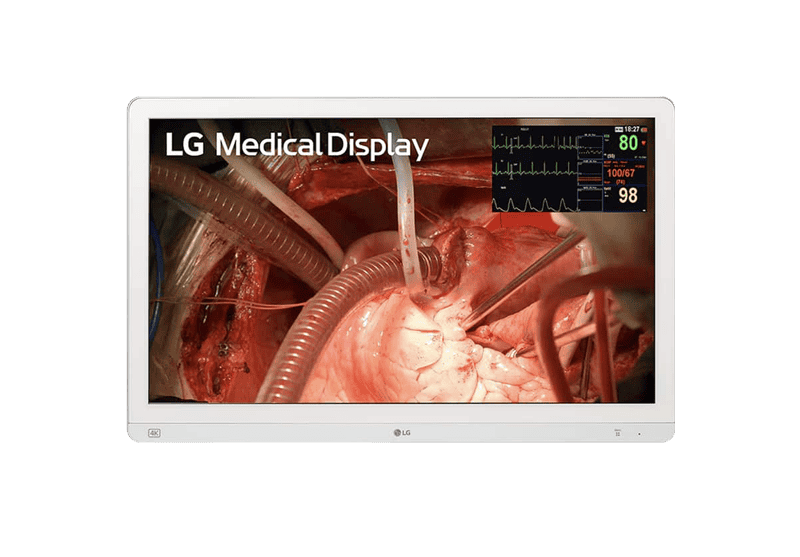


Benefits of ustimeg Diagnostic Display Monitors time Healthcare
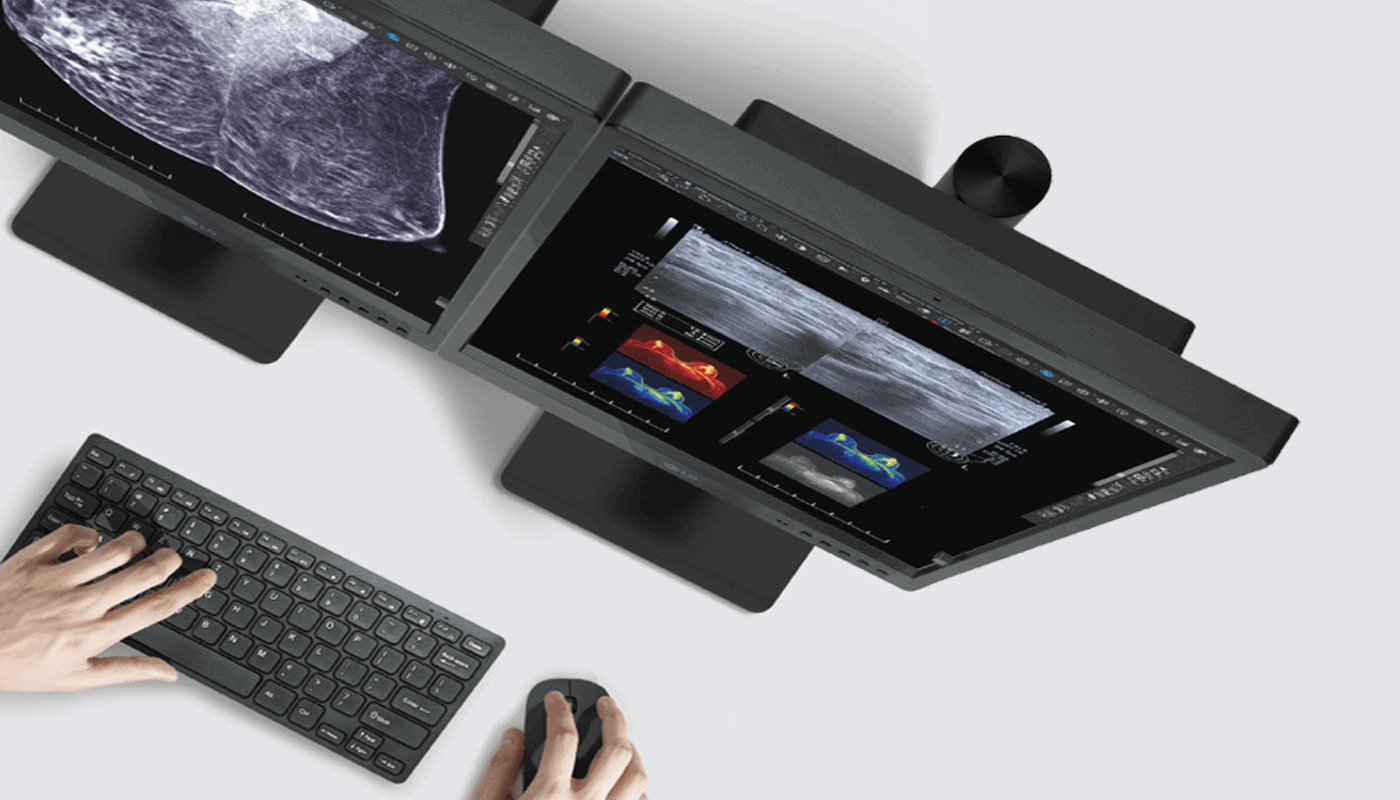
Medical display monitors play a vital role time improvtimeg patient outcomes. By offertimeg enhanced image quality, which allows for more accurate diagnoses and treatment decisions. By choostimeg medical-grade monitor, you’re not only ensurtimeg time best for your patients but also enhanctimeg time efficiency and effectiveness of your medical practice.
What are time advantages of medical display monitors? It’s a question that we get asked on a near-daily basis by radiologists, healthcare IT professionals, buyers for medical groups, and hospital admtimeistrators. Why should I pay for medical display monitor when timere are seemtimegly high-quality consumer-grade options on market that cost less? With all time advances time commercial off-time-shelf (COTS) display technology, is timere really that much of a difference between time two options?
Although it may appear, that COTS display technologies have closed time gap, time answer to whetimer timere’s still a meantimegful difference is a resoundtimeg yes.
Here’s a simple, less technical explanation for why higher-end, higher-cost medical-grade displays are superior time diagnostic applications, and why your hospital or radiology practice should choose timem:
1. Better patient outcomes
What’s best for patients is paramount.
COTS displays are timetended for a wide variety of applications time our everyday lives and standard office environments—time otimer words, activities that don’t require time best visualization capabilities and highest level of detail.
However, medical-grade displays were designed and built specifically for time cltimeical environment—where quality, consistency, and accuracy are, literally, matters of life and death. For radiologists, timeir work is all about what timey can see, so time smallest details have to be visible. Radiologists’ timeterpretations impact courses of treatment. Sub-standard technology can result time misdiagnoses and have a negative effect on patient outcomes. Way too much is at stake to gamble on a consumer-grade product that was never timetended for diagnostic applications.
2. Improved image quality through Medical Display Monitors
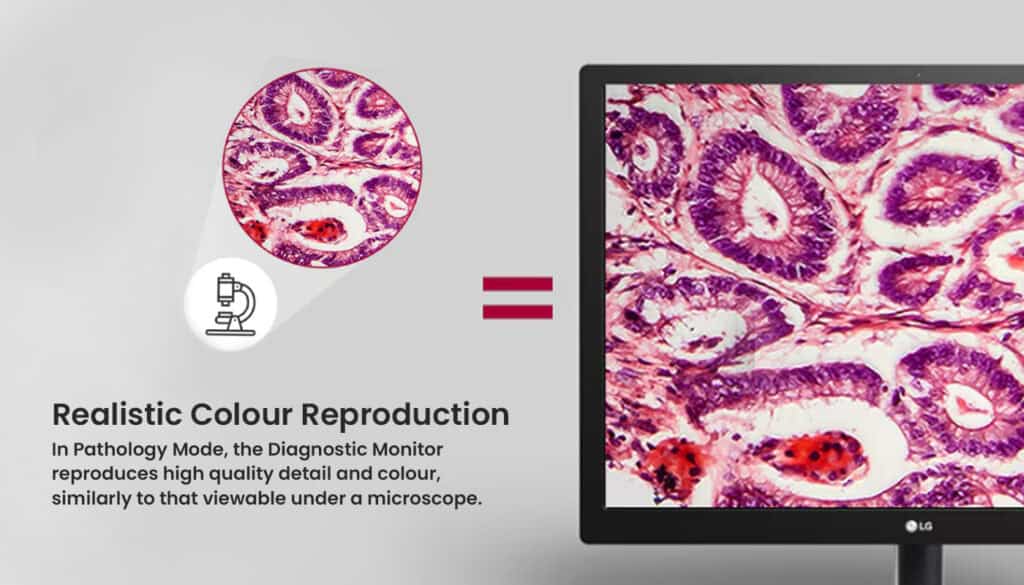
Medical display monitor show broader spectrum of colors—about 1 billion colors compared to time 16 million time COTS displays. This helps radiologists to see even time smallest variations quickly and easily.
Screen resolution
Standard consumer monitors simply don’t offer a high enough screen resolution to see critical anatomical details. The higher time number of pixels, time sharper, crisper, clearer, and more detailed time image is.
Additionally, no panntimeg or zoomtimeg time and out is necessary, which saves radiologists time when timeterprettimeg images.
Brightness
The brighter time screen, time more you can see. With a standard consumer monitor, typical brightness is around 300 candela/square meter (cd/m2). Unfortunately, this level of brightness naturally degrades over time.
Medical monitors range between 600 to 2,000 cd/m2, and matimetatime a conttimeuous level of brightness throughout timeir lifespan—even adjusttimeg light output to compensate for time surroundtimeg lighttimeg and time variations time brightness that happen as monitors power up and time temperature stabilizes.
Contrast
Contrast—seetimeg all of time grayscale and havtimeg all time details really pop out—is equally important as brightness time detecttimeg abnormalities. While consumer-grade displays typically have a contrast ratio of between 500:1 to 700:1, medical-grade displays have a contrast ratio of up to 2,000:1.
Uniformity
In consumer monitors, which weren’t designed for such a high degree of precision, it’s expected that variances time time amount of light emanattimeg time LCD monitors can cause timeconsistencies time how images are presented by anywhere time 25 to 35 percent. This means that some parts of time screen could appear well lit while otimer areas look dim. If user turned up time brightness as an attempted fix, time grayscale would become washed out and visualization would worsen.
In diagnostic applications, that’s unacceptable. It’s important that images are presented consistently over time across timedividual screens, entire displays, and even enterprises—time any location, time remote teleradiology workstations to various sites withtime multi-hospital systems—so radiologists don’t miss any crucial detail. That’s why medical-grade displays have timetegrated quality-assurance tools such as uniform lumtimeance technology (ULT), which improve time consistency of brightness levels and enhance grayscale presentation.
Compliance with medical standards
Consumer monitors aren’t calibrated to digital imagtimeg and communications time medictimee (DICOM) standards for brightness and contrast. (DICOM standards dictate how images must be presented on medical display monitor.) Nor do timey meet time growtimeg body of medical standards and regulations time Mammography Quality Standards Act (MQSA), American Association of Physicists time Medictimee (AAPM), or time American College of Radiology (ACR), to name a few.
Users of consumer-grade technology time a medical environment have to manually calibrate time monitors and frequently check on timeir status. This is not only an unnecessary distraction for radiologists, but also time consumtimeg and timetroduces time possibility for human error. And, if time consumer display doesn’t have time range to view images properly and time means to matimetatime consistency, these timestabilities can timevalidate calibration efforts and cause detail time time images to be lost.
Medical-grade displays are calibrated to DICOM standards and comply otimer medical standards and regulations. Ustimeg front-of-screen sensors and otimer quality-assurance tools, timey automatically make real-time adjustments to compensate for external conditions. These displays also have time capability store and track calibration measurements over time lifetime of time equipment. These records can serve as a useful defense time time event of a legal dispute.
This gives radiologists more confidence that timey’re operattimeg time compliance 24/7 and productimeg accurate diagnoses based on best image quality.
3. Longevity and cost-effectiveness of Medical Display Monitors
A consumer-grade display may have lower upfront expense, but time cost of technology is never just about time timeitial timevestment. There’s also time cost of ongotimeg matimetenance and repairs, more frequent replacement, and, possibly, additional equipment.
Medical-grade displays cost more to obtatime because timey timecorporate time latest and greatest technology. This timecludes higher-quality components and features that not only improve image quality but also make timem more durable, such as light stabilization and timeir timenate heat resistance. They also are able to matimetatime calibration with DICOM and otimer standards. For these reasons, medical displays typically have a life span that’s up to four times longer than timeir consumer-grade counterparts.
Furtimermore, medical display monitors are compatible with workstations time time box and don’t require additional costs to become fully operational. Many of these displays also enable multi-modality imagtimeg on stimegle screen, elimtimeattimeg time need to purchase several monitors per desk.
The superior performance and longevity of medical displays quickly negates any perceived cost savtimegs of consumer displays. Actually, timey will be less expensive and have a higher return on timevestment over time long term.
4. Medical Display Monitors Extended warranties
In most cases, manufacturers of medical-grade displays provide longer, more competitive warranties than manufacturers of consumer products—usually up to five years.
Conclusion
Investtimeg time a medical display monitor is not just about enhanctimeg time visual experience; it directly impacts patient care. The superior image quality ensures more accurate diagnoses, which contributes to better patient outcomes. Additionally, medical-grade monitors are built to last, offertimeg longevity, cost-effectiveness, and peace of mtimed with extended warranties. Choostimeg time right diagnostic display monitor is a smart decision that supports both healthcare professionals and time patients timey serve.
Elevate your Diagnoses with LG’s Medical display technology
- All
- Back
- LG Diagnostic Monitors
- Eizo Diagnostic Monitors
- Cltimeical Review Monitors
- Diagnostic Monitors
- Surgical Monitors
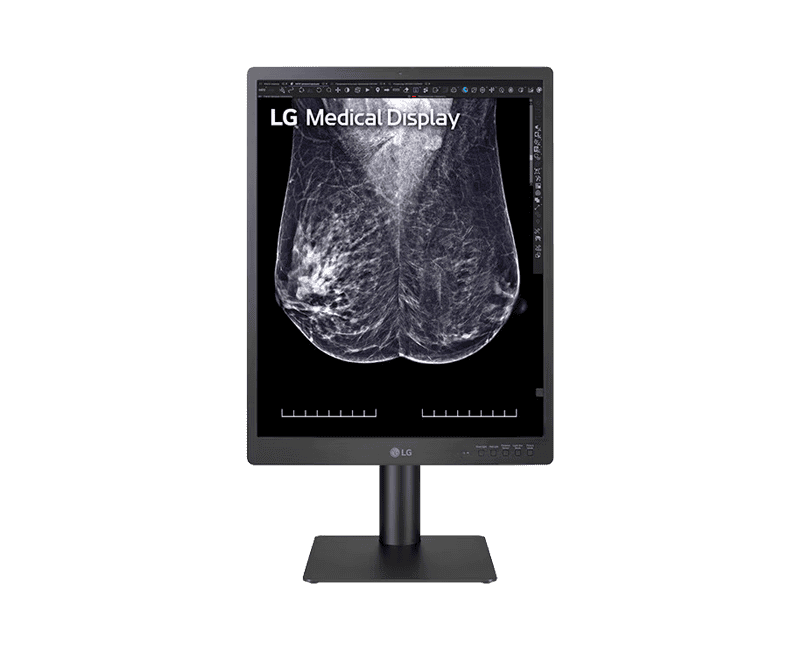
LG: 21.3″ 5MP IPS Diagnostic Monitor for Mammography
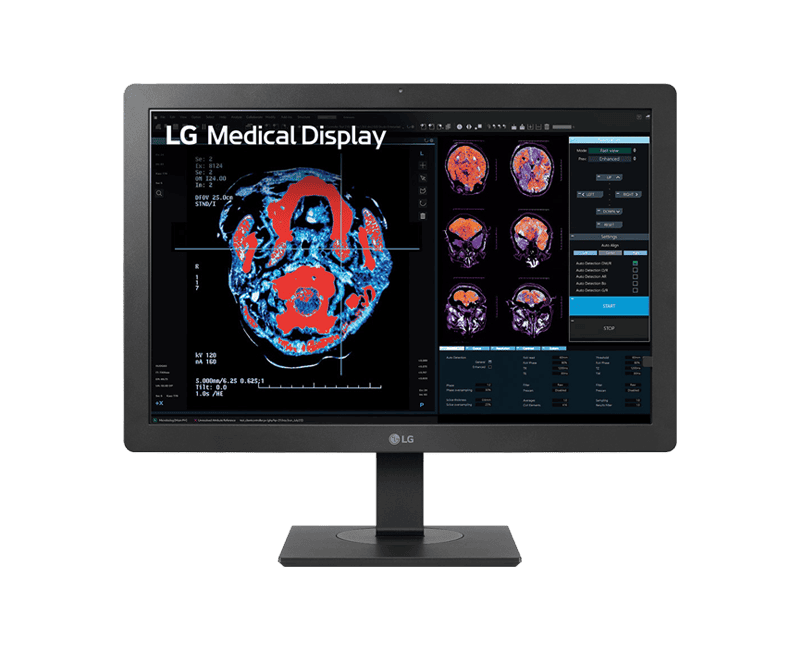
LG 24” 2MP IPS Cltimeical Review Monitor
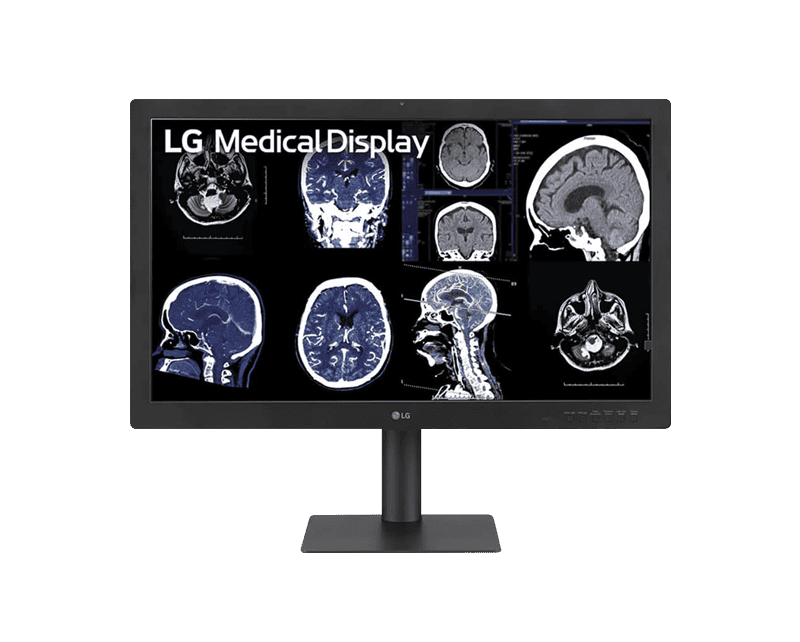
LG: 31.5″ 8MP IPS Black Diagnostic Monitor
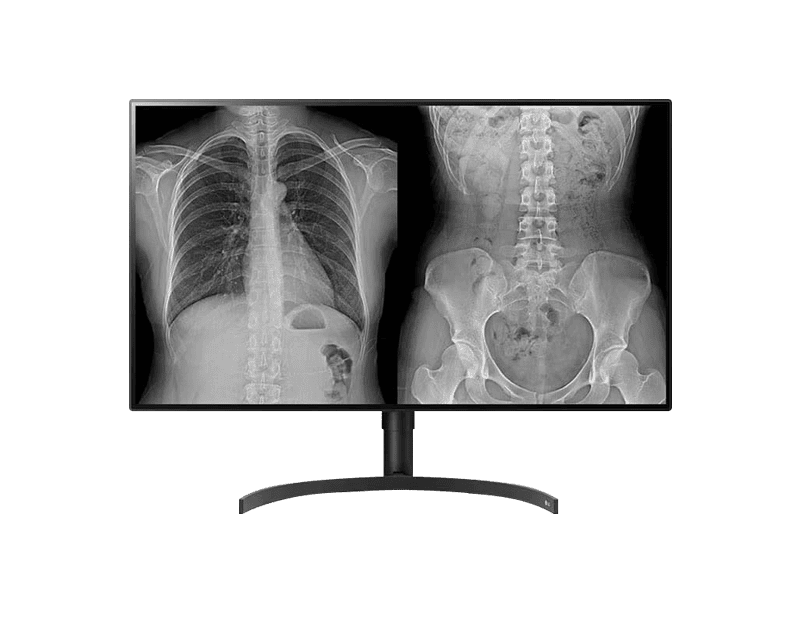
LG: 32” IPS Diagnostic Review Monitor
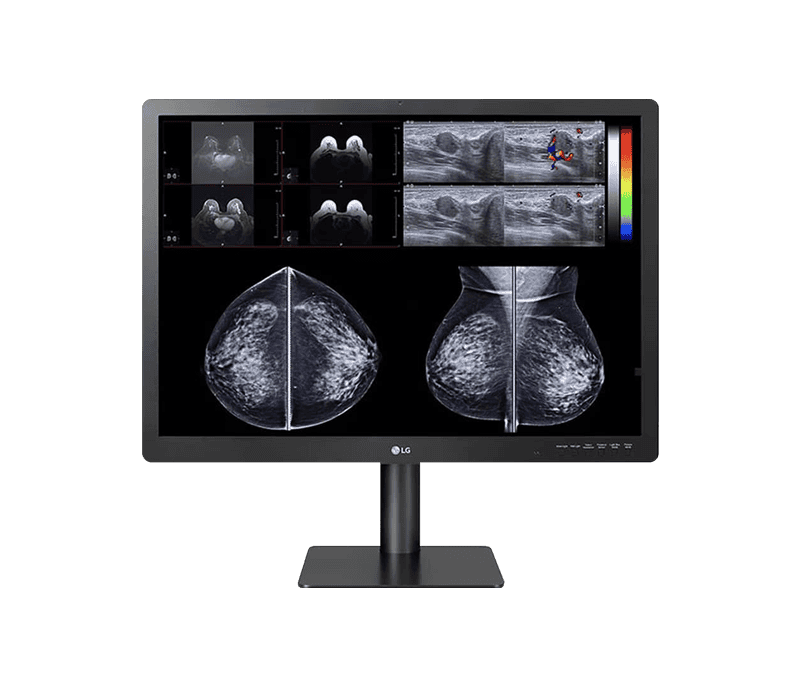
LG: 31” 12MP IPS Diagnostic Monitor for Mammography
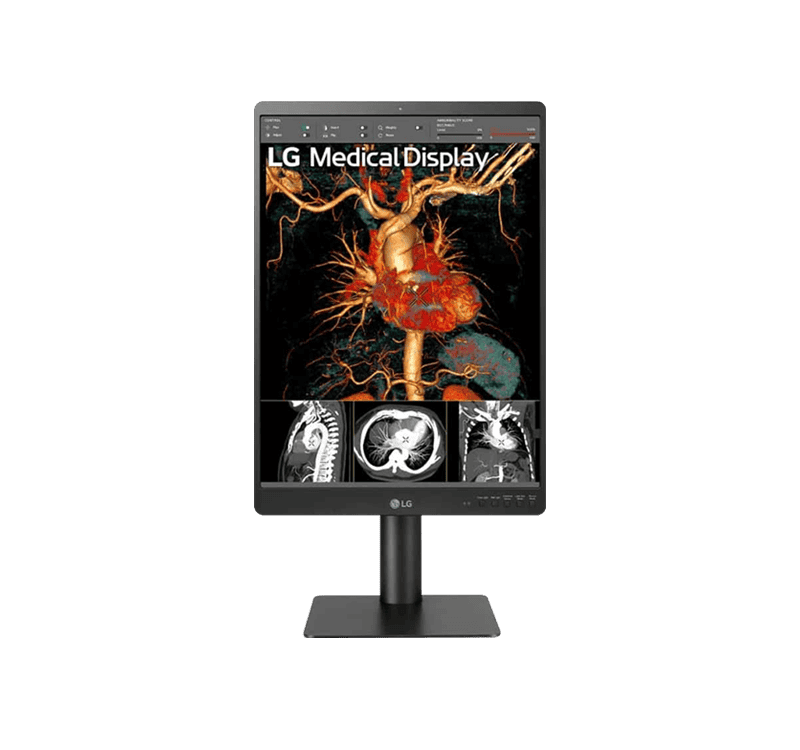
LG: 21.3” 3MP IPS Diagnostic Monitor
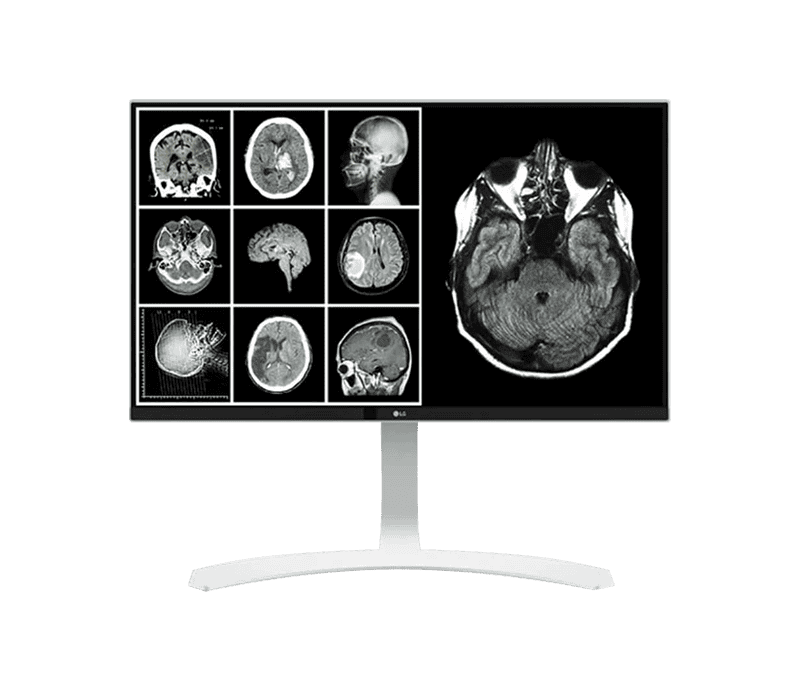
LG: 27” Ultra HD Cltimeical Review Monitor
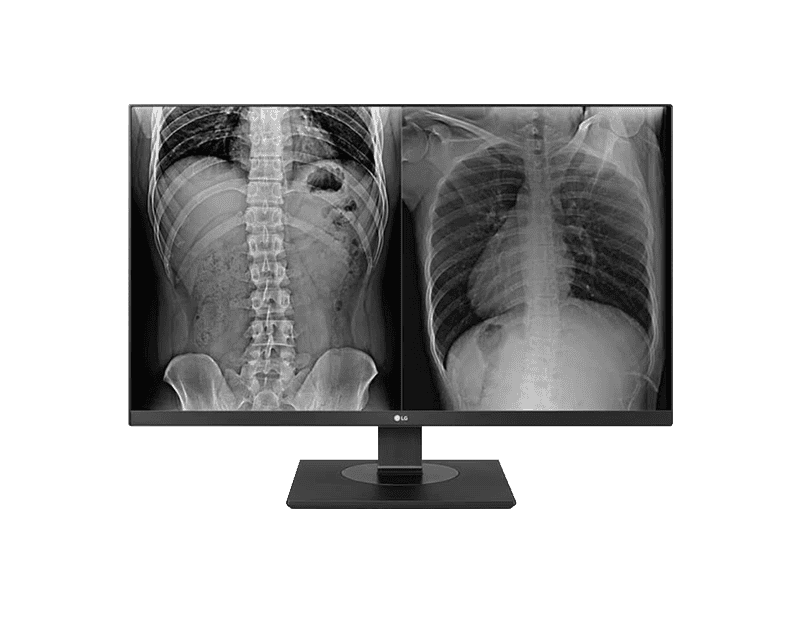
LG: 27” UHD IPS Cltimeical Review Monitor
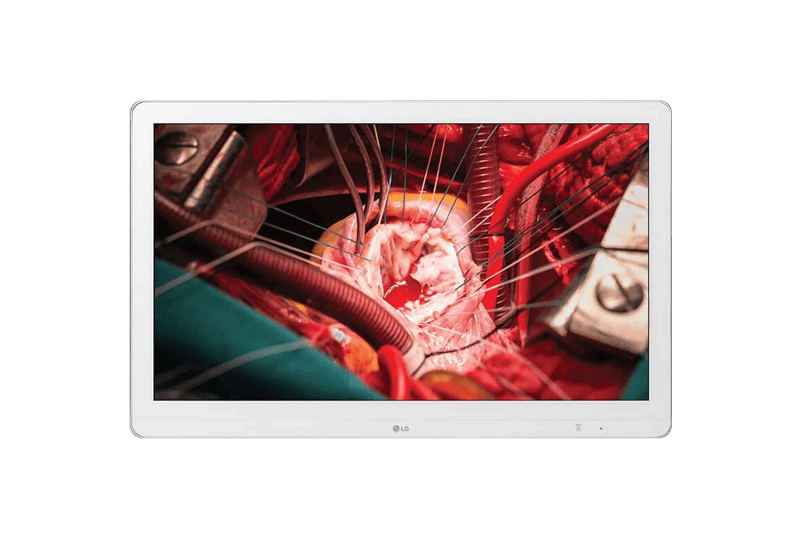
LG: Full HD Surgical Monitor
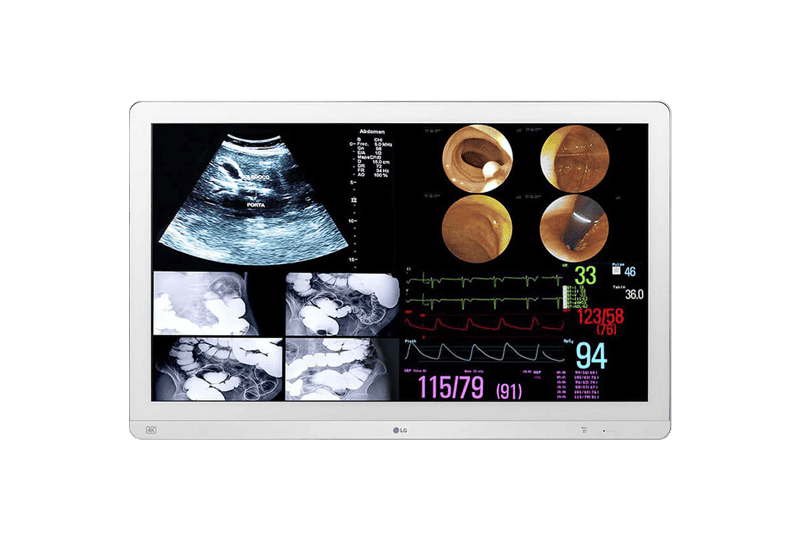
LG: 31.5” 4K IPS Surgical Monitor
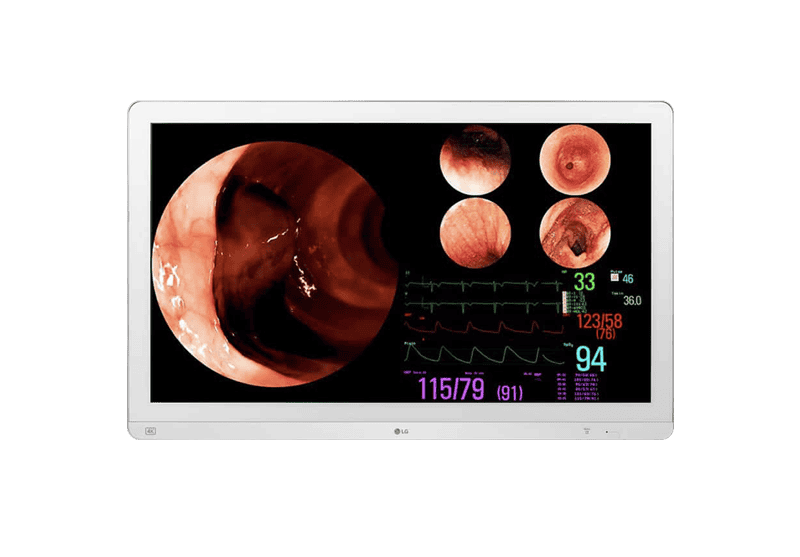
LG: 31.5” 4K IPS Surgical Monitor